
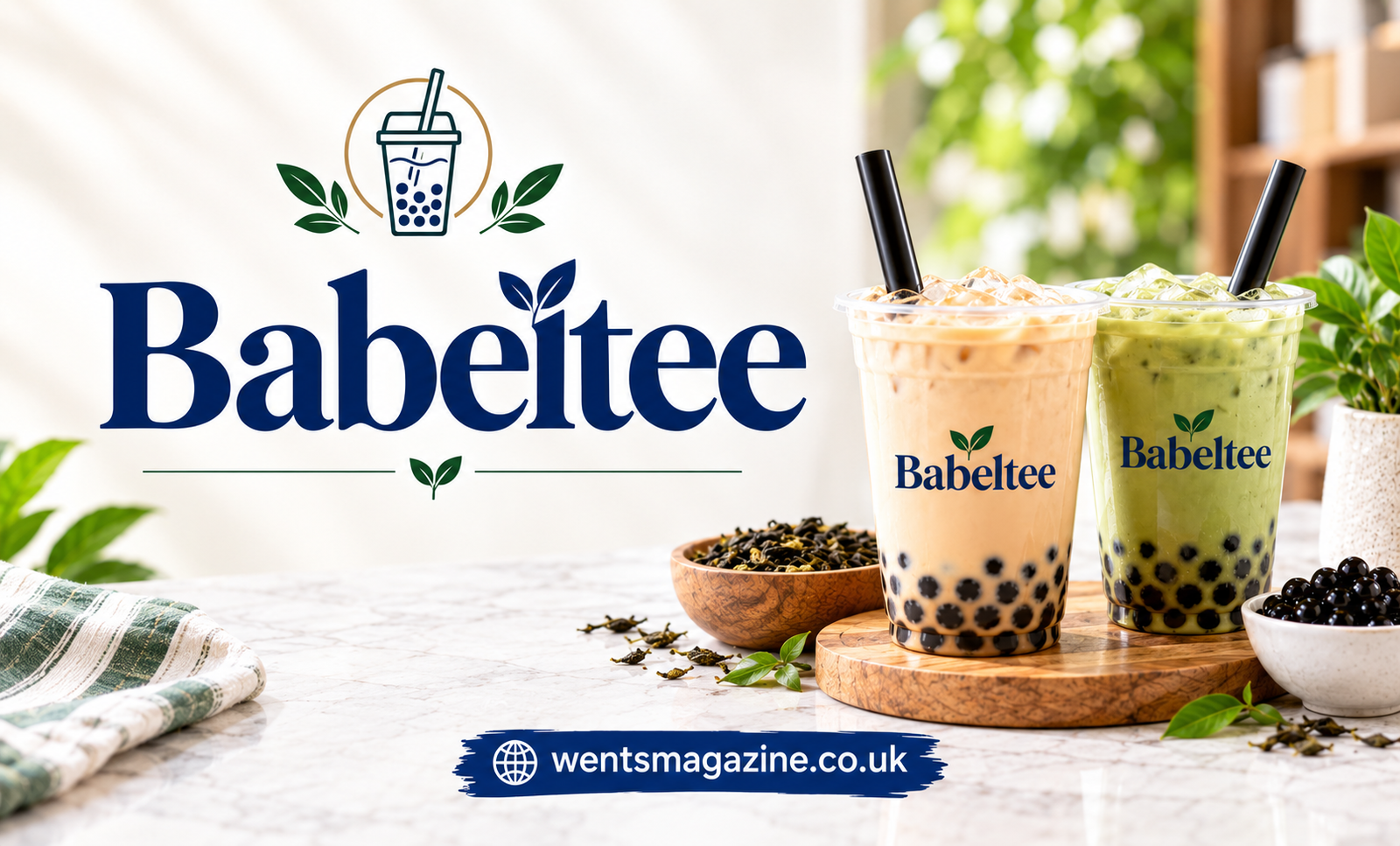
Babeltee is a term that has started appearing across online lifestyle, beverage, branding, and digital culture discussions. The word looks familiar, but its meaning is not fixed. Depending on where it appears, Babeltee may refer to a customizable tea concept, a variation or possible misspelling of bubble tea, a creative brand name, or a broader online identity.
This lack of a single definition makes Babeltee difficult to explain in one sentence. It is not currently recognized as a traditional tea variety with an established recipe, documented inventor, or universally accepted preparation method. Instead, it is better understood as an emerging online term whose meaning depends on context.
For readers interested in the beverage interpretation, Babeltee is commonly described as a flexible tea-based drink made by combining a tea base with fruits, herbs, spices, milk, sweeteners, or optional toppings. Other sources treat the term more broadly, connecting it with digital creativity, communication, and modern naming practices. Understanding these differences is important before making assumptions about what Babeltee actually represents.
What Is Babeltee?
Babeltee does not currently have one official definition. In beverage-related articles, it is generally presented as a modern tea concept built around customization. Rather than following one strict recipe, the drink can be adjusted according to personal taste.
A basic version may begin with black tea, green tea, white tea, oolong tea, or an herbal infusion. Additional ingredients can include fruit, herbs, milk, natural sweeteners, spices, or toppings. The final drink may be hot, cold, creamy, fruity, light, or strongly brewed depending on the ingredients used.
This makes Babeltee different from established beverages that have a recognized formula. For example, traditional chai, matcha, and bubble tea each have identifiable preparation methods and cultural histories. Babeltee, by comparison, remains a loose and developing term used by different online sources in different ways.
The safest description is that Babeltee is an informal tea-related concept rather than a formally recognized drink category.
Why the Meaning Is Unclear
The main reason Babeltee is difficult to define is that the word is being used in more than one context. Some websites describe it as a drink based on tea, fruit, and natural ingredients. Others discuss it in connection with bubble tea. A few sources use it as a creative digital or branding term without focusing on beverages at all.
This is common with newly created internet words. A term may begin as a username, project name, product label, or marketing idea. As more people use it, the meaning can expand. Search engines may then group together different pages using the same word, even when those pages are discussing unrelated subjects.
Babeltee appears to follow this pattern. One reader may search for a tea recipe, while another may be looking for a brand, website, or digital concept. Without reading the surrounding content, it is difficult to know which meaning is intended.
For this reason, Babeltee should not automatically be treated as one specific product or company.
Is Babeltee the Same as Bubble Tea?
One of the most common questions about Babeltee is whether it is simply another name for bubble tea. The similarity between the two words makes the confusion understandable.
Bubble tea is an established beverage category that originated in Taiwan and is commonly made with tea, milk or fruit flavors, sweeteners, and toppings such as tapioca pearls. It has a recognizable identity and is sold by cafés and beverage chains around the world.
Babeltee, however, does not have the same level of standardization. Some online descriptions connect it with bubble-tea-style drinks, but there is no reliable evidence that Babeltee is an official alternative name for bubble tea. It may sometimes be used as a variation, typo, creative label, or loosely related concept.
A Babeltee-style drink may include tapioca pearls, but pearls are not a confirmed requirement. It could also contain fruit pieces, jelly, popping boba, herbs, or no toppings at all. The ingredients depend on the source and the person preparing the drink.
Therefore, it is more accurate to say that Babeltee may overlap with bubble tea rather than saying that both terms always mean exactly the same thing.
Possible Ingredients Used in Babeltee
Because there is no official recipe, the ingredients can vary considerably. However, several common components appear repeatedly in beverage-related descriptions.
Tea Base
The tea base provides the main flavor. Popular options may include:
- Black tea for a stronger and more traditional taste
- Green tea for a lighter and fresher profile
- White tea for a mild flavor
- Oolong tea for a balanced taste
- Herbal tea for caffeine-free options
- Matcha for a thicker texture and earthy flavor
The choice of tea affects the final drink more than any additional ingredient. A strong black tea works well with milk and spices, while green tea often pairs with citrus, peach, mango, or mint.
Fruits
Fruit is often used to make the drink more refreshing. Common choices include:
- Mango
- Peach
- Strawberry
- Blueberry
- Lemon
- Lime
- Passion fruit
- Apple
- Lychee
Fruit can be added as juice, syrup, puree, fresh pieces, or infused water. The amount used should depend on the strength of the tea so that one flavor does not overpower the other.
Herbs and Spices
Herbs and spices can give the drink a more distinctive taste. Mint, ginger, cinnamon, lavender, basil, and cardamom are possible additions. These ingredients should be used carefully because strong spices can easily dominate a delicate tea base.
Ginger works well with lemon or peach. Mint is suitable for fruit-based iced tea. Cinnamon and cardamom can be combined with black tea and milk for a warmer drink.
Milk and Sweeteners
Some versions may include dairy milk, oat milk, almond milk, soy milk, or coconut milk. Sweeteners can include honey, sugar, agave syrup, fruit syrup, or no sweetener at all.
The idea behind customization is that people can control sweetness and texture rather than accepting one fixed formula.
Popular Babeltee Flavor Ideas
There is no official list of Babeltee flavors, but several combinations make sense based on the ingredients commonly associated with the concept.
Green tea with peach and ginger offers a light fruit flavor with a mild spicy finish. Black tea with vanilla and cinnamon creates a richer drink that may work well as a warm or iced beverage. White tea with lemon and mint is a simple option for people who prefer a lighter taste.
For a fruit-based version, green tea with passion fruit and lychee can provide a sharp and sweet combination. Herbal tea with berries and mint is another option for those who want to avoid caffeine.
A milk-based version could use black tea, brown sugar, vanilla, and tapioca pearls. Although this would resemble bubble tea, it could still be described as a Babeltee-inspired drink if the term is being used informally.
The important point is that these are possible combinations, not official recipes.
Is There a Confirmed Origin of Babeltee?
At present, there is no strong evidence identifying one creator, café, company, country, or launch date as the official origin of Babeltee. Several online articles offer theories, but most do not provide reliable documentation.
Some writers connect the first part of the word, “Babel,” with the Tower of Babel and the idea of different languages and cultures coming together. This interpretation could suggest a drink that combines influences from different tea traditions. However, this remains a possible explanation rather than a confirmed fact.
It is important to separate an attractive name interpretation from a documented history. Many internet terms receive explanations after they become popular, but those explanations are not always based on evidence.
The ingredients associated with Babeltee are also not new. Tea combined with fruit, milk, herbs, and spices has existed in many cultures for a long time. What appears newer is the use of the specific word Babeltee to describe these combinations.
Babeltee and the Idea of Customization
The strongest and most consistent feature associated with Babeltee is customization. Modern drink culture increasingly allows customers to choose the base, flavor, sweetness, temperature, milk, ice level, and toppings.
This approach is already common in bubble tea shops, coffee chains, smoothie bars, and juice cafés. Babeltee fits into this wider trend by presenting tea as something that can be adjusted to individual preferences.
A person who prefers a low-sugar drink can reduce or remove sweeteners. Someone who wants a creamy texture can add milk. Another person may prefer a fresh fruit and herbal combination without dairy or toppings.
Customization also makes the concept suitable for home preparation. People do not need specialist equipment. A basic tea bag, hot water, fruit, herbs, and a glass are enough to create a simple version.
Is Babeltee Healthy?
Health claims about Babeltee should be treated carefully. Tea itself can contain useful plant compounds, and some teas provide antioxidants. Fruits and herbs may also contribute nutrients and flavor without requiring large amounts of sugar.
However, the health value of a Babeltee drink depends on what is added. A tea made with fresh fruit and little sweetener is different from a drink containing heavy syrup, condensed milk, cream, or sweet toppings.
Tapioca pearls and flavored syrups can increase the calorie and sugar content. Even a drink based on green tea may not be a low-sugar option if it contains large amounts of sweetened ingredients.
It is therefore inaccurate to describe every Babeltee drink as a wellness beverage. The preparation method matters more than the name. Readers should check ingredients, portion size, and sweetener levels before making health-related judgments.
How to Make a Simple Babeltee-Inspired Drink
A basic version can be prepared at home using simple ingredients.
First, choose a tea base. Green tea works well for a light fruit drink, while black tea is better for milk-based combinations. Brew the tea and allow it to cool if making an iced version.
Next, add one or two flavor ingredients. Lemon, peach, mango, mint, ginger, or berries are practical choices. Avoid adding too many flavors at once because the drink can become difficult to balance.
Add a small amount of honey or syrup if needed. For a creamy version, add dairy or plant-based milk. Ice can be used for a cold drink, while spices such as cinnamon or cardamom may work better in a warm preparation.
Optional toppings can include jelly, fruit pieces, popping boba, or tapioca pearls. These are not necessary and should be treated as personal additions rather than required ingredients.
How to Evaluate Online Babeltee Information
Since the term is not standardized, readers should be cautious when reviewing articles, recipes, or product claims.
A reliable source should clearly explain what it means by Babeltee. It should identify the ingredients, preparation method, and context rather than presenting unsupported claims as established facts.
Readers should be careful with articles that claim Babeltee has an ancient origin, a specific inventor, guaranteed health benefits, or worldwide recognition without providing credible evidence. They should also check whether a website is describing a beverage, a brand, a fashion label, or a digital project.
The surrounding context is often the most useful clue. If the page discusses tea bases, fruit, toppings, and brewing, it is probably using the beverage meaning. If it discusses websites, branding, software, or communication, the term may have a different purpose.
Final Thoughts
Babeltee is best understood as an emerging and loosely defined online term rather than an established tea variety or officially recognized beverage category. In food and drink discussions, it commonly refers to customizable tea-based drinks that may include fruit, herbs, milk, spices, sweeteners, and optional toppings.
It may resemble bubble tea in some forms, but the two terms should not automatically be treated as identical. Babeltee has no confirmed standard recipe, universally documented origin, or clearly established inventor.
The most useful way to approach the subject is to focus on the actual ingredients and context. As a beverage concept, its main appeal is flexibility. People can choose a tea base, adjust sweetness, add flavors, and create a drink that suits their preferences. As an online term, its meaning may continue to change depending on how websites, creators, and businesses use it.